Streamlined Manufacturing: Boosting Efficiency in Global Supply Chains
- SU ZHONGQIN

- Feb 15
- 5 min read
In today's competitive landscape, businesses are constantly seeking ways to enhance their operations and improve efficiency. One of the most effective strategies for achieving this is through streamlined manufacturing processes. By optimizing production workflows, companies can not only reduce costs but also improve product quality and delivery times. This blog post delves into the key aspects of streamlined manufacturing and how it can significantly boost efficiency in global supply chains.
Understanding Streamlined Manufacturing
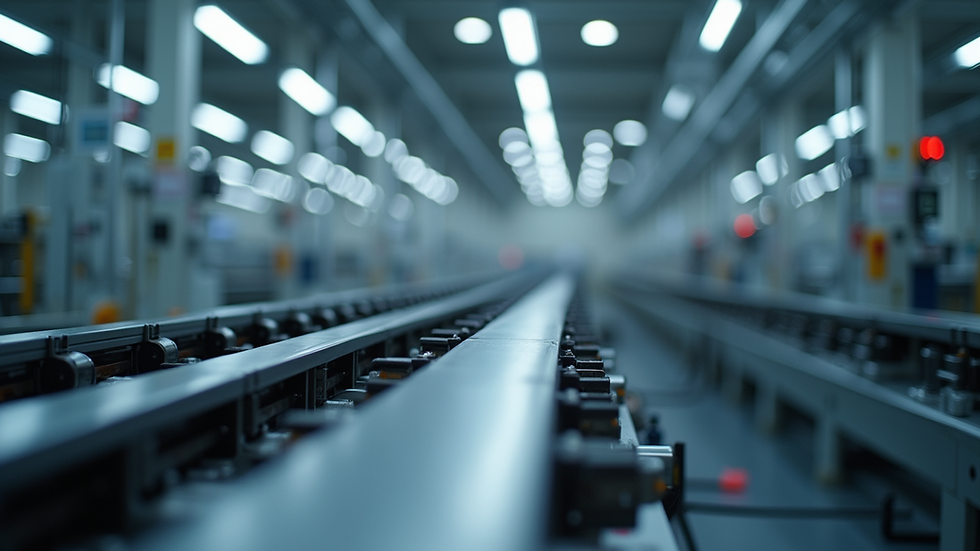
Streamlined manufacturing refers to the process of optimizing production workflows to eliminate waste, reduce costs, and enhance overall efficiency. This approach involves analyzing every step of the manufacturing process, identifying bottlenecks, and implementing improvements. The goal is to create a seamless flow of materials and information, ensuring that products are produced quickly and efficiently.
Key Principles of Streamlined Manufacturing
Lean Manufacturing: This principle focuses on minimizing waste while maximizing productivity. By adopting lean practices, manufacturers can reduce excess inventory, minimize defects, and improve overall efficiency.
Just-In-Time (JIT) Production: JIT production aims to produce only what is needed, when it is needed. This approach reduces inventory costs and ensures that resources are used efficiently.
Continuous Improvement: Streamlined manufacturing is not a one-time effort. It requires a commitment to ongoing improvement through regular assessments and adjustments to processes.
Collaboration and Communication: Effective communication among team members and departments is crucial for identifying issues and implementing solutions. Collaborative efforts can lead to innovative ideas and improvements.
The Benefits of Streamlined Manufacturing
Implementing streamlined manufacturing processes can yield numerous benefits for businesses, particularly in global supply chains. Here are some of the most significant advantages:
Cost Reduction
By eliminating waste and optimizing production processes, companies can significantly reduce operational costs. This includes savings on materials, labor, and overhead expenses. For example, a study by the Lean Enterprise Institute found that companies implementing lean practices saw an average cost reduction of 20-30%.
Improved Quality
Streamlined manufacturing processes often lead to higher product quality. By focusing on continuous improvement and minimizing defects, manufacturers can enhance customer satisfaction and reduce returns. For instance, Toyota's production system emphasizes quality at every stage, resulting in consistently high-quality vehicles.
Faster Time-to-Market
In today's fast-paced market, speed is essential. Streamlined manufacturing allows companies to respond quickly to changing customer demands and market trends. By reducing production lead times, businesses can bring products to market faster, gaining a competitive edge.
Enhanced Flexibility
Streamlined manufacturing processes enable companies to adapt quickly to changes in demand. This flexibility is particularly important in global supply chains, where market conditions can fluctuate rapidly. For example, a manufacturer that can quickly adjust production schedules can better meet customer needs and avoid stockouts.
Implementing Streamlined Manufacturing in Global Supply Chains
To successfully implement streamlined manufacturing processes in global supply chains, companies should follow a structured approach. Here are some steps to consider:
1. Assess Current Processes
Begin by conducting a thorough assessment of existing manufacturing processes. Identify bottlenecks, inefficiencies, and areas for improvement. This assessment should involve input from employees at all levels, as they often have valuable insights into the challenges faced on the shop floor.
2. Set Clear Goals
Establish specific, measurable goals for the streamlined manufacturing initiative. These goals should align with the overall business objectives and provide a clear direction for the project. For example, a goal might be to reduce production lead times by 15% within six months.
3. Involve Employees
Engage employees in the process of streamlining manufacturing. Their involvement not only fosters a sense of ownership but also encourages the sharing of ideas and solutions. Consider forming cross-functional teams to tackle specific challenges and implement improvements.
4. Invest in Technology
Leverage technology to enhance manufacturing processes. Automation, data analytics, and advanced manufacturing technologies can significantly improve efficiency. For instance, implementing an Enterprise Resource Planning (ERP) system can provide real-time visibility into inventory levels and production schedules.
5. Monitor and Adjust
Once streamlined manufacturing processes are in place, continuously monitor performance against established goals. Use key performance indicators (KPIs) to track progress and identify areas for further improvement. Be prepared to make adjustments as needed to ensure ongoing success.
Case Studies: Successful Implementation of Streamlined Manufacturing
Case Study 1: Boeing
Boeing, a leading aerospace manufacturer, faced challenges with production delays and inefficiencies in its supply chain. To address these issues, the company implemented lean manufacturing principles across its operations. By focusing on continuous improvement and collaboration with suppliers, Boeing was able to reduce production lead times by 30% and improve overall efficiency.
Case Study 2: Dell
Dell revolutionized its supply chain by adopting a just-in-time production model. This approach allowed the company to build computers based on customer orders rather than maintaining large inventories. As a result, Dell reduced inventory costs and improved customer satisfaction by delivering products faster.
Challenges in Streamlined Manufacturing
While the benefits of streamlined manufacturing are clear, companies may face challenges during implementation. Here are some common obstacles and strategies to overcome them:
Resistance to Change
Employees may resist changes to established processes. To address this, communicate the benefits of streamlined manufacturing and involve employees in the decision-making process. Providing training and support can also help ease the transition.
Complexity of Global Supply Chains
Managing a global supply chain can be complex, with multiple stakeholders and varying regulations. To navigate this complexity, establish clear communication channels and foster collaboration among all parties involved.
Data Management
Effective data management is crucial for successful streamlined manufacturing. Companies should invest in technology that enables real-time data collection and analysis. This will provide valuable insights into production processes and help identify areas for improvement.
Future Trends in Streamlined Manufacturing
As technology continues to evolve, the future of streamlined manufacturing looks promising. Here are some trends to watch:
Industry 4.0
The rise of Industry 4.0, characterized by the integration of digital technologies into manufacturing, is transforming the industry. Smart factories equipped with IoT devices, artificial intelligence, and automation are becoming increasingly common. These technologies enable real-time monitoring and optimization of production processes.
Sustainability
Sustainability is becoming a key focus for manufacturers. Streamlined manufacturing processes can contribute to more sustainable practices by reducing waste and energy consumption. Companies that prioritize sustainability will not only improve their efficiency but also enhance their brand reputation.
Customization
As consumer preferences shift towards personalized products, manufacturers must adapt their processes to accommodate customization. Streamlined manufacturing can support this trend by enabling flexible production systems that can quickly adjust to changing customer demands.
Conclusion
Streamlined manufacturing is a powerful strategy for boosting efficiency in global supply chains. By focusing on eliminating waste, improving quality, and enhancing flexibility, companies can achieve significant cost savings and improve customer satisfaction. As technology continues to advance, the potential for streamlined manufacturing will only grow. Businesses that embrace these principles will be well-positioned to thrive in an increasingly competitive landscape.
By implementing the strategies outlined in this post, companies can take meaningful steps toward optimizing their manufacturing processes and achieving greater efficiency in their supply chains. The journey may require effort and commitment, but the rewards are well worth it.


Comments